
Discussion
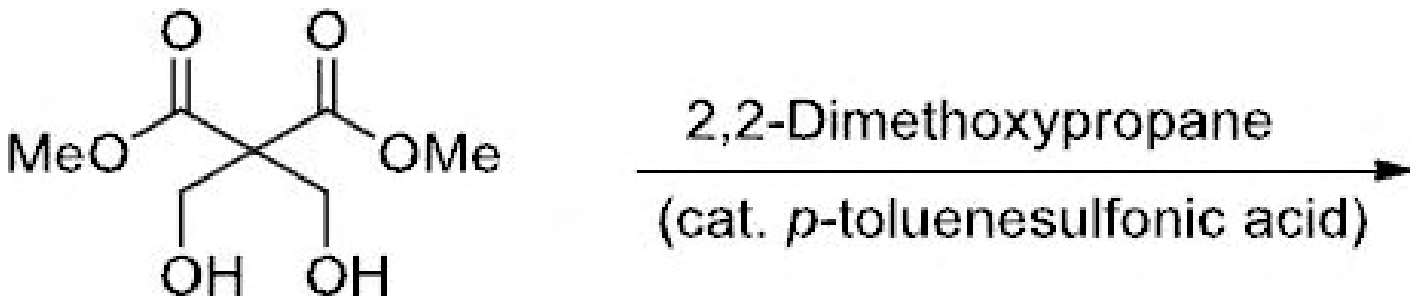
The major product obtained in the following reaction is
- A.
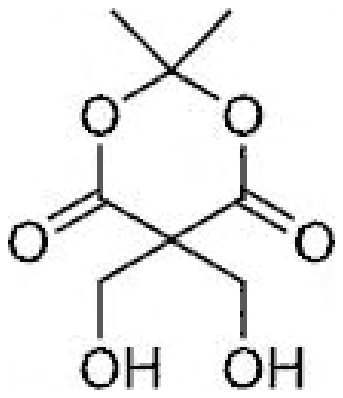
- B.
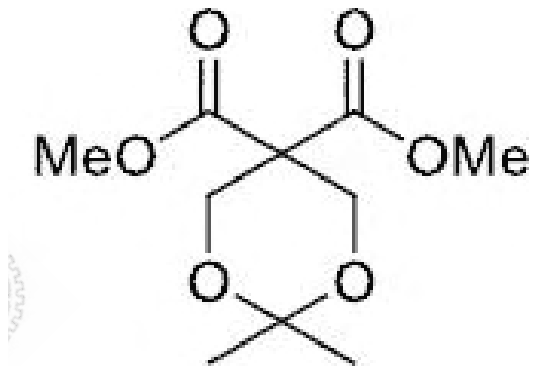
- C.
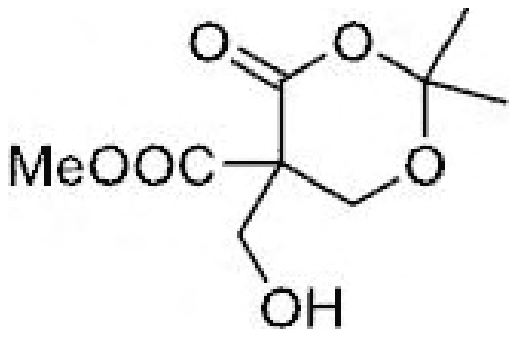
- D.
Answer: B
The major product is (B), the acetonide of the diol.
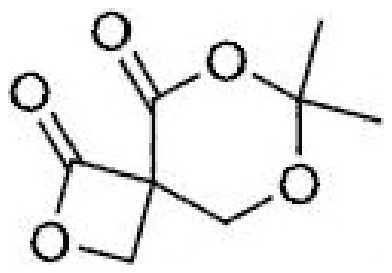
2,2-Dimethoxypropane with an acid catalyst is the standard reagent for protecting a 1,2- or 1,3-diol as an isopropylidene acetal. The two CH2OH groups of the starting diester form a 1,3-diol, and they close with the acetone unit into a six-membered 2,2-dimethyl-1,3-dioxane ring, releasing methanol. The two methyl ester groups are untouched, leaving dimethyl 2,2-dimethyl-1,3-dioxane-5,5-dicarboxylate.
(A) is a Meldrum's-acid-type ring formed from the carboxyl groups, which would need the free diacid. (C) and (D) are lactones formed from an ester and a hydroxyl group; acetal formation under these mild conditions does not convert the esters.
Post your comment
Please log in or register to post a comment.
Examination Categories
- SSC Exams
- Banking Exams
- Teaching Exams
- Civil Services Exams
- Railways Exams
- Engineering Recruitment Exams
- Defence Exams
- State Government Exams
- Police Exams
- Insurance Exams
- Nursing Exams
- Other Government Exams
- NRA CET
- PG Entrance Exams
- Campus Placement
- MBA Entrance Exams
- CUET and UG Entrance
- Judiciary Exams
- Regulatory Body Exams
- Software Development