
Discussion
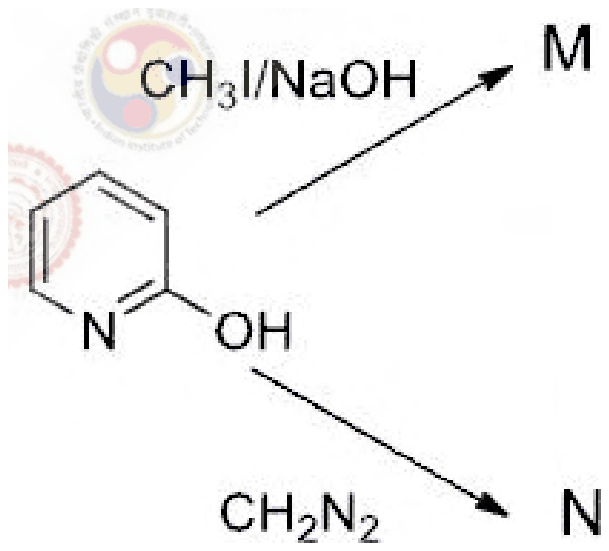
The major products M and N formed in the following reactions are
- A.
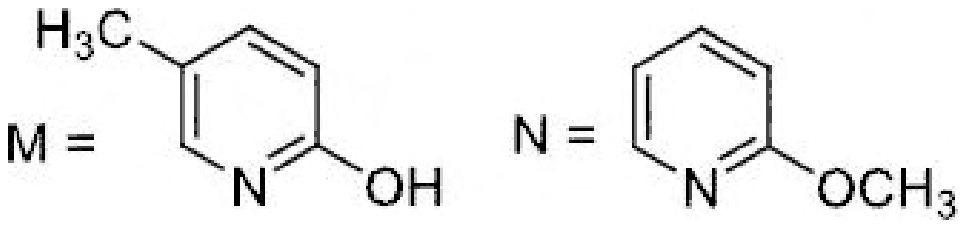
- B.

- C.
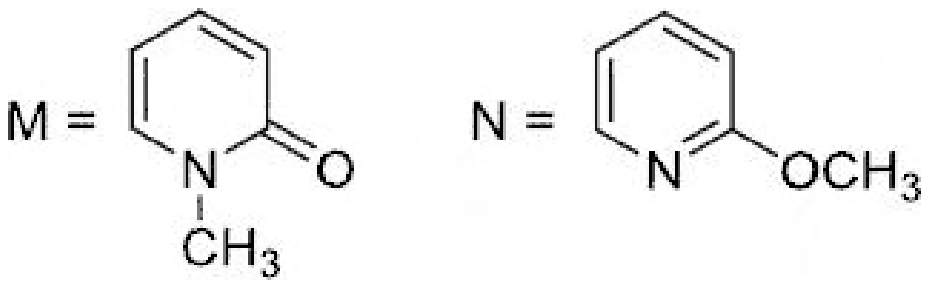
- D.
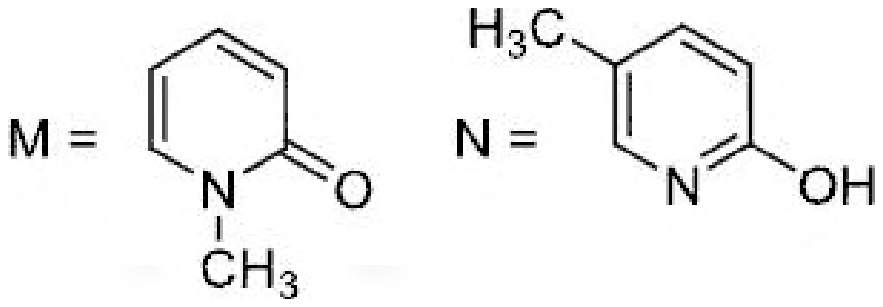
Answer: C
The products are (C): M is N-methyl-2-pyridone and N is 2-methoxypyridine.
2-Hydroxypyridine exists mainly as its tautomer 2-pyridone, and its anion is ambident, able to react at nitrogen or oxygen. With CH3I and NaOH, the anion is alkylated at the softer, more nucleophilic nitrogen, giving the N-methyl pyridone M.
Diazomethane methylates acidic O-H groups: it takes the proton from the OH form to give a methyldiazonium ion, which the resulting oxygen anion attacks directly, so the product N is the O-methyl ether, 2-methoxypyridine.
(B) swaps the two products. (A) and (D) put a methyl group on a ring carbon, which neither reagent does.
Post your comment
Please log in or register to post a comment.
Examination Categories
- SSC Exams
- Banking Exams
- Teaching Exams
- Civil Services Exams
- Railways Exams
- Engineering Recruitment Exams
- Defence Exams
- State Government Exams
- Police Exams
- Insurance Exams
- Nursing Exams
- Other Government Exams
- NRA CET
- PG Entrance Exams
- Campus Placement
- MBA Entrance Exams
- CUET and UG Entrance
- Judiciary Exams
- Regulatory Body Exams
- Software Development