
Discussion
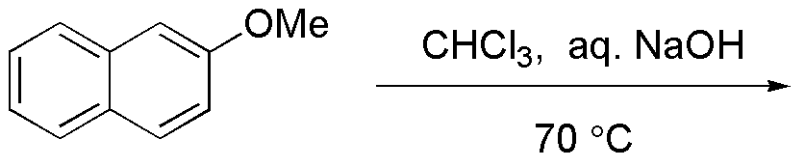
Among the given options, the possible product(s) that can be obtained from the following reaction is/are
- A.
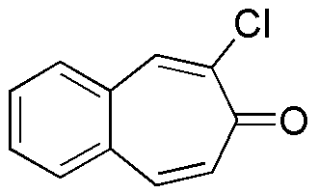
- B.
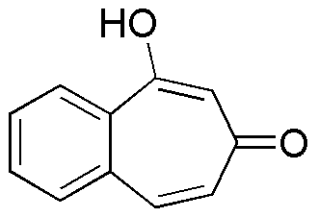
- C.
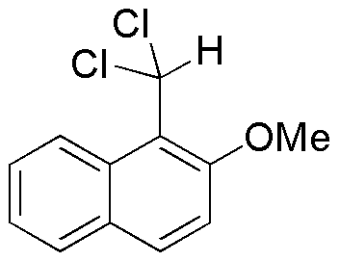
- D.
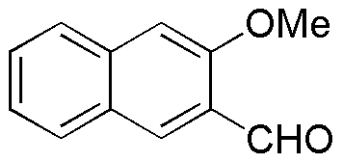
Answer: A
The product is (A), the chloro benzotropone.
Chloroform and aqueous NaOH generate dichlorocarbene. With 2-methoxynaphthalene there is no free OH, so no phenoxide forms and the Reimer-Tiemann route to an aldehyde is closed. Instead the carbene adds to the electron-rich C1=C2 bond to give a dichlorocyclopropane. This opens with loss of chloride to a ring-expanded benzocycloheptatrienyl (benzotropylium) cation, stabilised by the methoxy group, and hydrolysis of that oxocarbenium centre gives the ketone with chlorine on the neighbouring carbon.
(C) and (D) are Reimer-Tiemann-type products, which need a phenoxide to activate the ring and to hydrolyse CHCl2; (D) also places the CHO at C3. (B) would need the C-Cl carbon to become a C-OH, which the conditions do not bring about.
Post your comment
Please log in or register to post a comment.
Examination Categories
- SSC Exams
- Banking Exams
- Teaching Exams
- Civil Services Exams
- Railways Exams
- Engineering Recruitment Exams
- Defence Exams
- State Government Exams
- Police Exams
- Insurance Exams
- Nursing Exams
- Other Government Exams
- NRA CET
- PG Entrance Exams
- Campus Placement
- MBA Entrance Exams
- CUET and UG Entrance
- Judiciary Exams
- Regulatory Body Exams
- Software Development