
Discussion
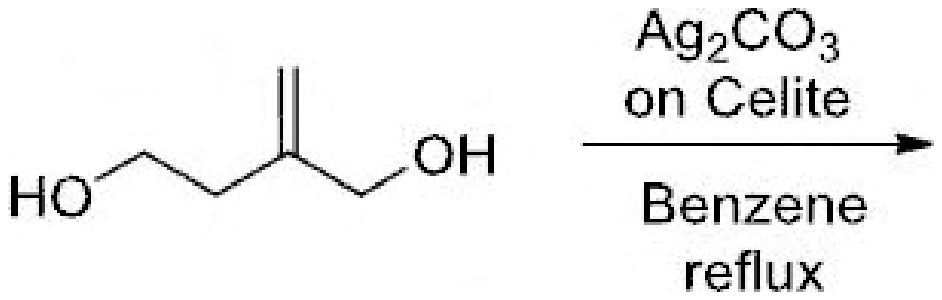
The major product formed in the following reaction is
- A.
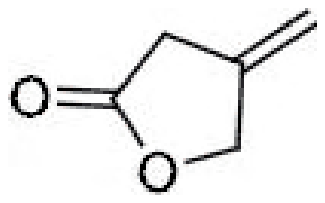
- B.
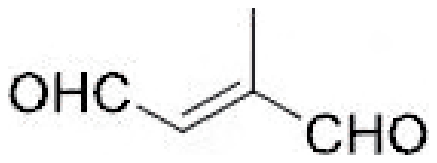
- C.
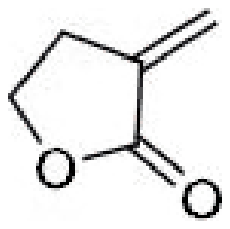
- D.
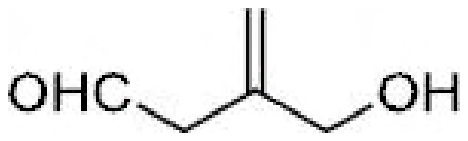
Answer: C
The major product is (C), α-methylene-γ-butyrolactone.
Silver carbonate on Celite (Fetizon's reagent) is a mild oxidant that converts 1,4-diols to γ-lactones. One alcohol is oxidised to the aldehyde, which cyclises with the other OH to a five-membered lactol, and the lactol is oxidised further to the lactone. The reagent oxidises the more reactive allylic CH2OH first, so the carbonyl carbon of the lactone is the one next to the C=CH2 group. That puts the exocyclic methylene α to the carbonyl, as in (C).
(A), the β-methylene lactone, would come from oxidising the other, non-allylic alcohol first. (B) and (D) stop at aldehyde stages; under these conditions the 1,4-hydroxy aldehyde closes to the lactol and goes on to the lactone.
Post your comment
Please log in or register to post a comment.
Examination Categories
- SSC Exams
- Banking Exams
- Teaching Exams
- Civil Services Exams
- Railways Exams
- Engineering Recruitment Exams
- Defence Exams
- State Government Exams
- Police Exams
- Insurance Exams
- Nursing Exams
- Other Government Exams
- NRA CET
- PG Entrance Exams
- Campus Placement
- MBA Entrance Exams
- CUET and UG Entrance
- Judiciary Exams
- Regulatory Body Exams
- Software Development