
Discussion
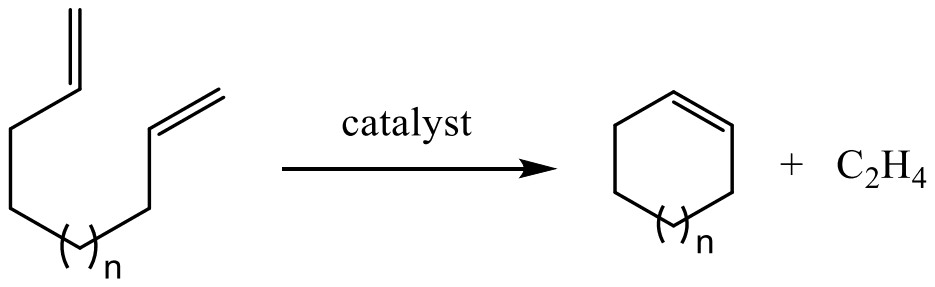
The organometallic catalyst for the following transformation is
- A.
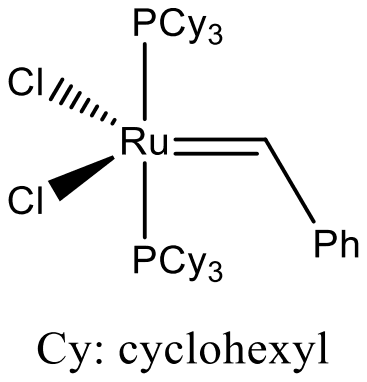
- B.
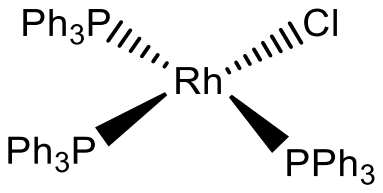
- C.
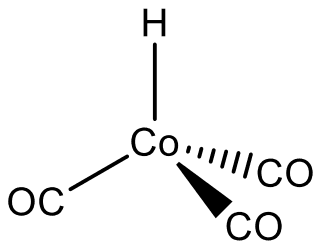
- D.
Answer: A
The catalyst is (A), the first-generation Grubbs catalyst RuCl2(PCy3)2(=CHPh).
The transformation joins the two ends of an α,ω-diene into a cycloalkene and releases ethylene: ring-closing metathesis. It needs a metal carbene (alkylidene) that undergoes [2+2] cycloaddition with an alkene to a metallacyclobutane and cycloreversion, exchanging alkylidene partners; the escape of ethylene drives the reaction. The Grubbs ruthenium benzylidene is the classic catalyst.
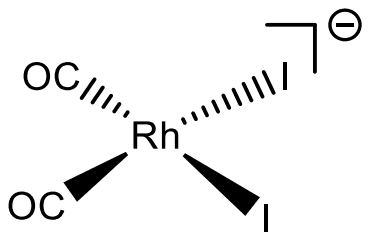
The other complexes have no carbene and catalyse other reactions: RhCl(PPh3)3 (Wilkinson's catalyst) is for hydrogenation, HCo(CO)4 for hydroformylation, and [RhI2(CO)2]− for methanol carbonylation (the Monsanto acetic acid process).
Post your comment
Please log in or register to post a comment.
Examination Categories
- SSC Exams
- Banking Exams
- Teaching Exams
- Civil Services Exams
- Railways Exams
- Engineering Recruitment Exams
- Defence Exams
- State Government Exams
- Police Exams
- Insurance Exams
- Nursing Exams
- Other Government Exams
- NRA CET
- PG Entrance Exams
- Campus Placement
- MBA Entrance Exams
- CUET and UG Entrance
- Judiciary Exams
- Regulatory Body Exams
- Software Development