
Discussion
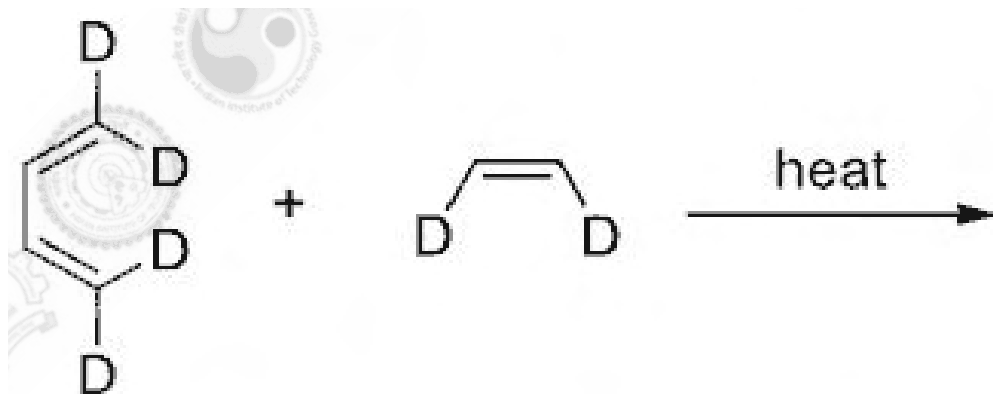
The product formed in the following reaction is
- A.

- B.
- C.
- D.
Answer: D
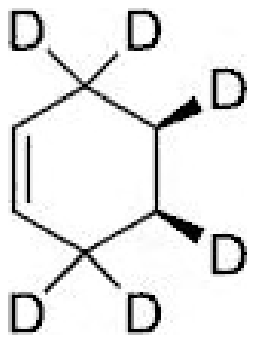
The product is (D), with the two deuteriums from the dienophile cis to each other.
The Diels-Alder reaction is a concerted [4+2] cycloaddition that is suprafacial on the dienophile: both new bonds form on the same face of the alkene at the same time, so the relative stereochemistry of the dienophile is kept in the product. The dienophile here is cis-1,2-dideuterioethylene, so its two deuteriums end up cis on adjacent ring carbons, both drawn with wedges in (D). The deuteriums on the diene termini become the two CD2 groups.
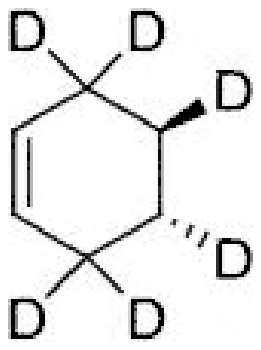
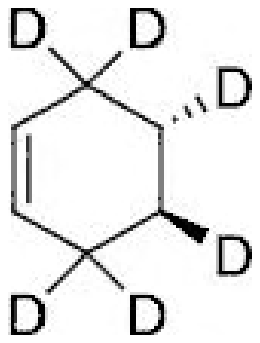
(B) and (C) both show the two deuteriums trans, the product a trans dienophile would give. A 1:1 mixture of cis and trans (A) would require a stepwise reaction through an intermediate that can rotate, which the concerted cycloaddition does not have.
Post your comment
Please log in or register to post a comment.
Examination Categories
- SSC Exams
- Banking Exams
- Teaching Exams
- Civil Services Exams
- Railways Exams
- Engineering Recruitment Exams
- Defence Exams
- State Government Exams
- Police Exams
- Insurance Exams
- Nursing Exams
- Other Government Exams
- NRA CET
- PG Entrance Exams
- Campus Placement
- MBA Entrance Exams
- CUET and UG Entrance
- Judiciary Exams
- Regulatory Body Exams
- Software Development